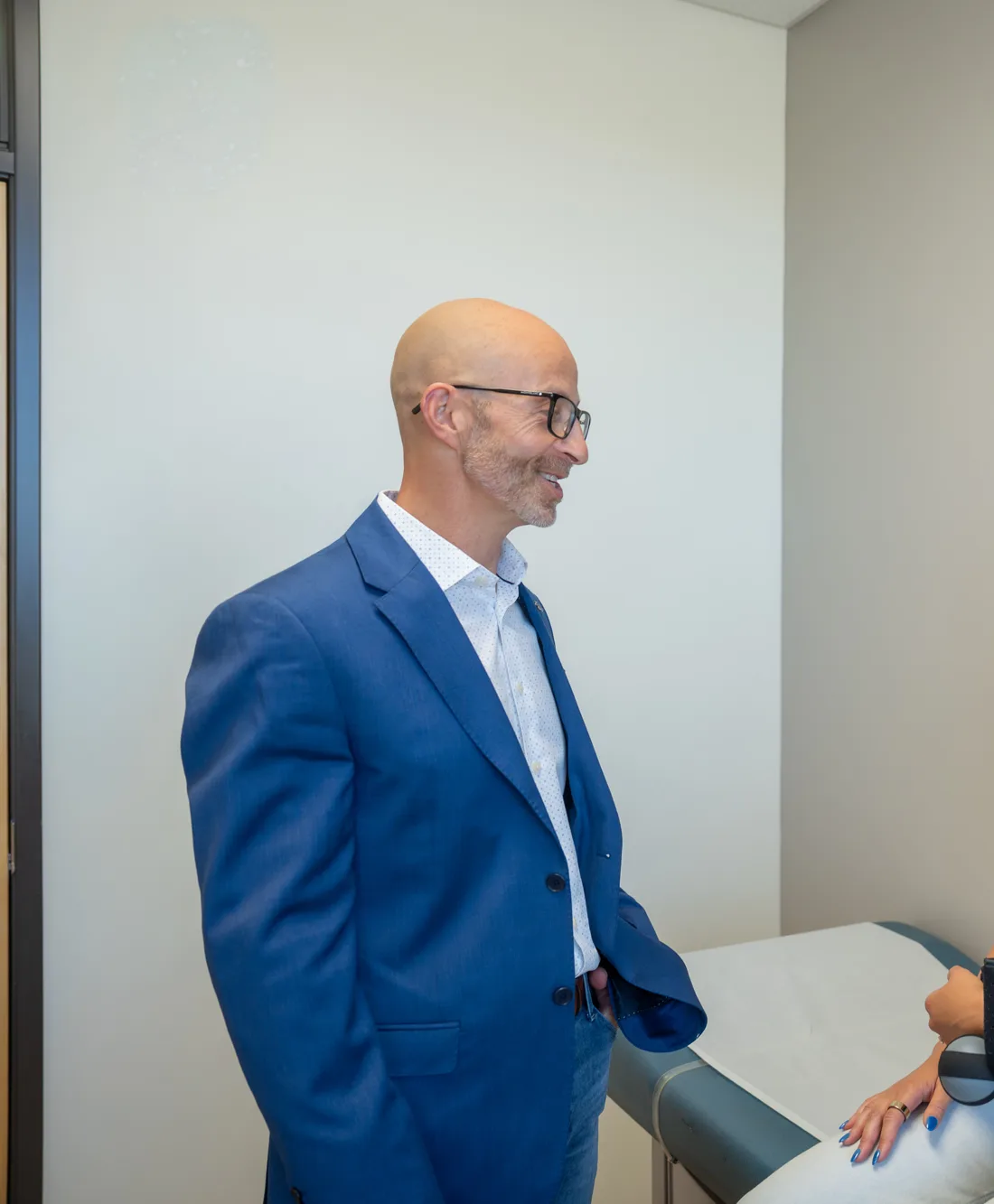
Patrick J. Denard, M.D.
Shoulder surgeon. Researcher. Designer of the protocol his patients follow.
Trained by the surgeons who wrote the field.
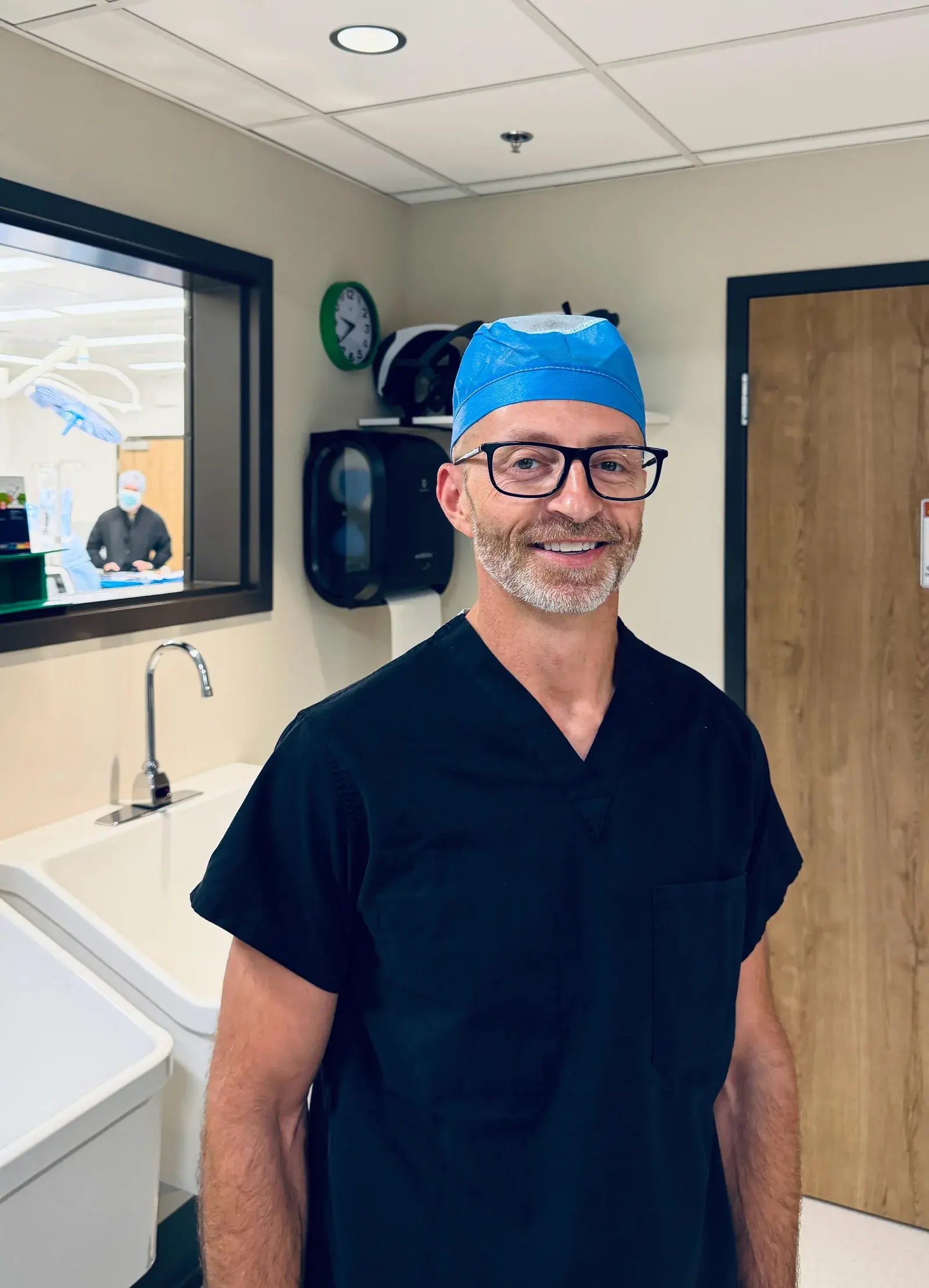
Dr. Denard grew up in Oregon and returned to raise his family here. He earned his medical degree at Dartmouth, completed his orthopedic residency at Oregon Health & Science University, where he was chief resident, and then trained in two fellowships that shaped his practice: advanced shoulder arthroscopy with Dr. Stephen Burkhart in San Antonio and shoulder replacement with Dr. Gilles Walch in Lyon, France.
He has performed over 10,000 shoulder surgeries. He is board certified by the American Board of Orthopaedic Surgery and holds academic appointments as Clinical Associate Professor at Washington State University and Instructor at Oregon Health & Science University. He directs a shoulder and elbow fellowship in Medford that trains surgeons in the same techniques.
Outside the operating room he skis, wakesurfs, travels with his family, and meditates. He is also an orthopedic patient himself, which is where the next section begins.
Affiliations
- Clinical Associate Professor, Washington State University
- Instructor, Oregon Health & Science University
- Member, American Shoulder and Elbow Surgeons (ASES)
- Member, Arthroscopy Association of North America (AANA)
- Member, International Society of Arthroscopy, Knee Surgery and Orthopaedic Sports Medicine (ISAKOS)
Dr. Stephen Burkhart
San Antonio
Advanced shoulder arthroscopy fellowship
Dr. Gilles Walch
Lyon, France
Shoulder replacement fellowship
- Board certified, American Board of Orthopaedic Surgery
- Directs a shoulder and elbow fellowship in Medford
"I went home with no information. My patients never will."
During my fellowship I had hip surgery. I was a trained orthopedic surgeon and I still went home with almost no idea what to expect, what to do, or who to call. That was the moment I decided how I would practice.
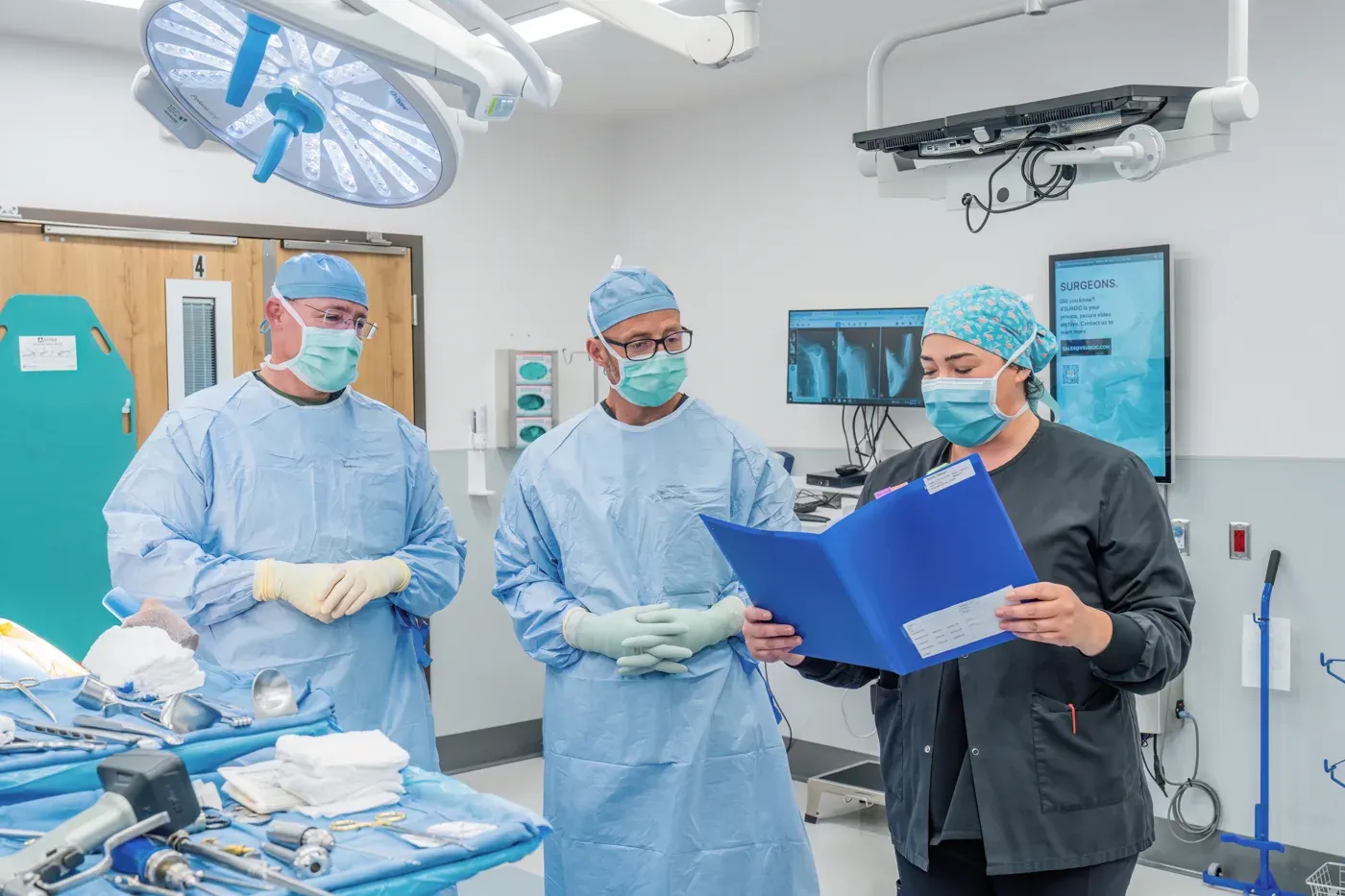
Every patient of mine gets a written plan that covers the weeks before surgery, the day itself, and every phase after. I call you the night of your surgery. I review your MRI myself. I write the rehabilitation and nutrition protocols, and I keep changing them as the evidence changes. Surgery is the part people worry about, and it is the part I have done more than ten thousand times. The rest is what makes the surgery worth it.
I limit my practice to three operations because doing them constantly is how you get to a ten out of ten. If your problem is one of them, I will tell you plainly what I see and what I would do if you were family.
"If I would not recommend it to a family member, it is not in the protocol."
More than 300 publications, and a database of 4,000 shoulders.
Dr. Denard has authored more than 300 peer-reviewed publications and more than 40 book chapters, and co-authored two textbooks on shoulder arthroscopy. He chairs a multicenter prospective shoulder arthroplasty database with access to more than 4,000 patients, and his fellowship program contributes roughly 25 publications a year. That research is the reason the Protocol changes: when the evidence moves, the plan moves.
Peer-reviewed publications
Book chapters
Textbooks
Patients in the ShARC arthroplasty database
Publications a year from the fellowship
In My Experience: Perisurgical Nutrition
Article, Journal of Orthopaedic Experience & Innovation
The Cowboy's Companion: A Trail Guide for the Arthroscopic Shoulder Surgeon
Textbook
The Cowboy's Conundrum: Complex and Advanced Cases in Shoulder Arthroscopy
Textbook
He also designs the instruments and teaches the surgeons.
Dr. Denard works in product development with Arthrex, holds multiple patents and patents pending on shoulder devices, teaches surgeons worldwide through live and virtual fellowship programs, and appears on orthopedic podcasts and at international meetings. The devices he uses in your surgery are ones he helped refine.
The Sports Docs Podcast
"Treatment of Challenging Rotator Cuff Pathology"
VSURGIC virtual fellowship
Arthrex product development
Send your MRI. Get a real answer.
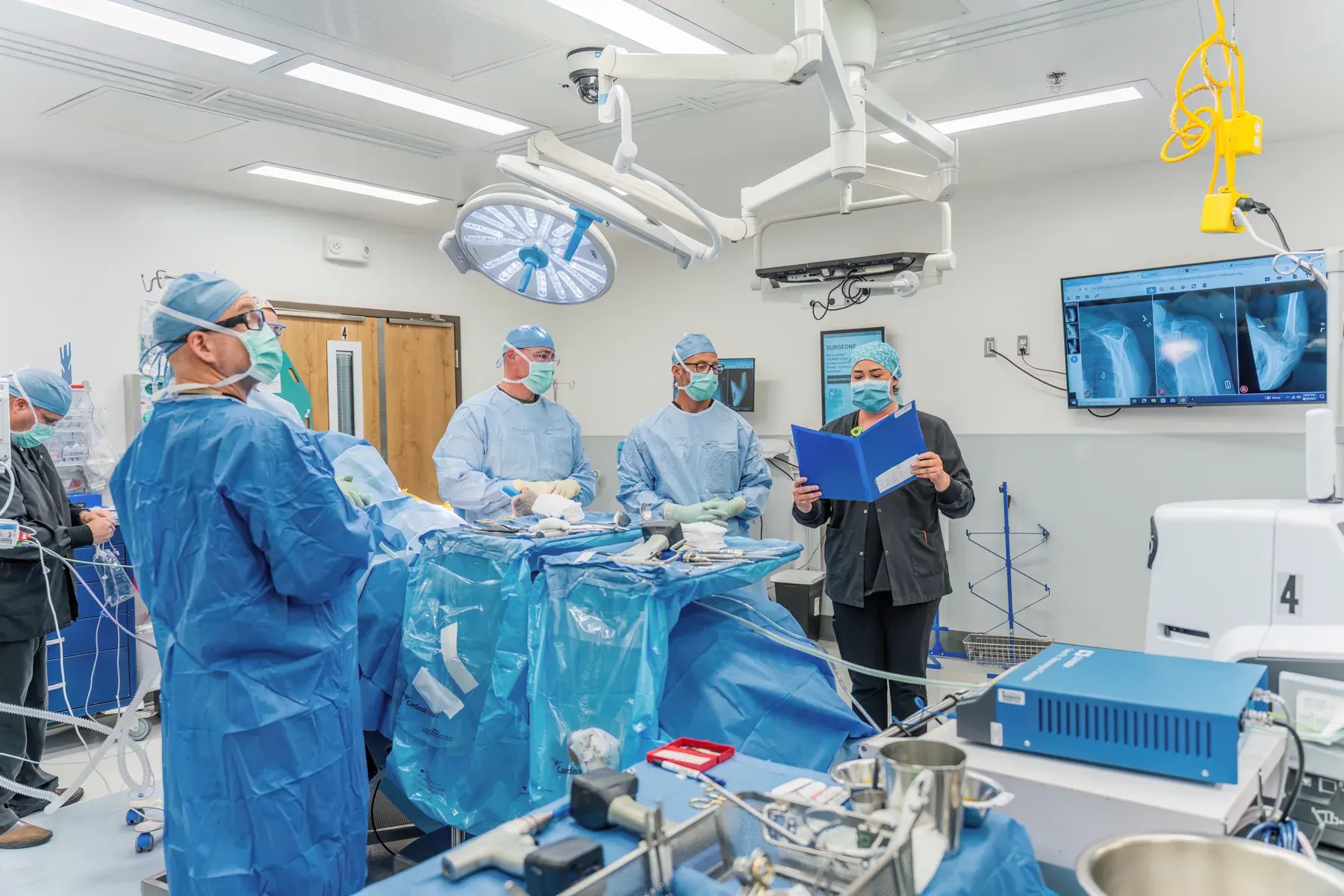
Dr. Denard reviews every MRI himself and records a short video explaining what he sees and what he would recommend. If surgery is the right call, you will know why. If it is not, you will know that too.