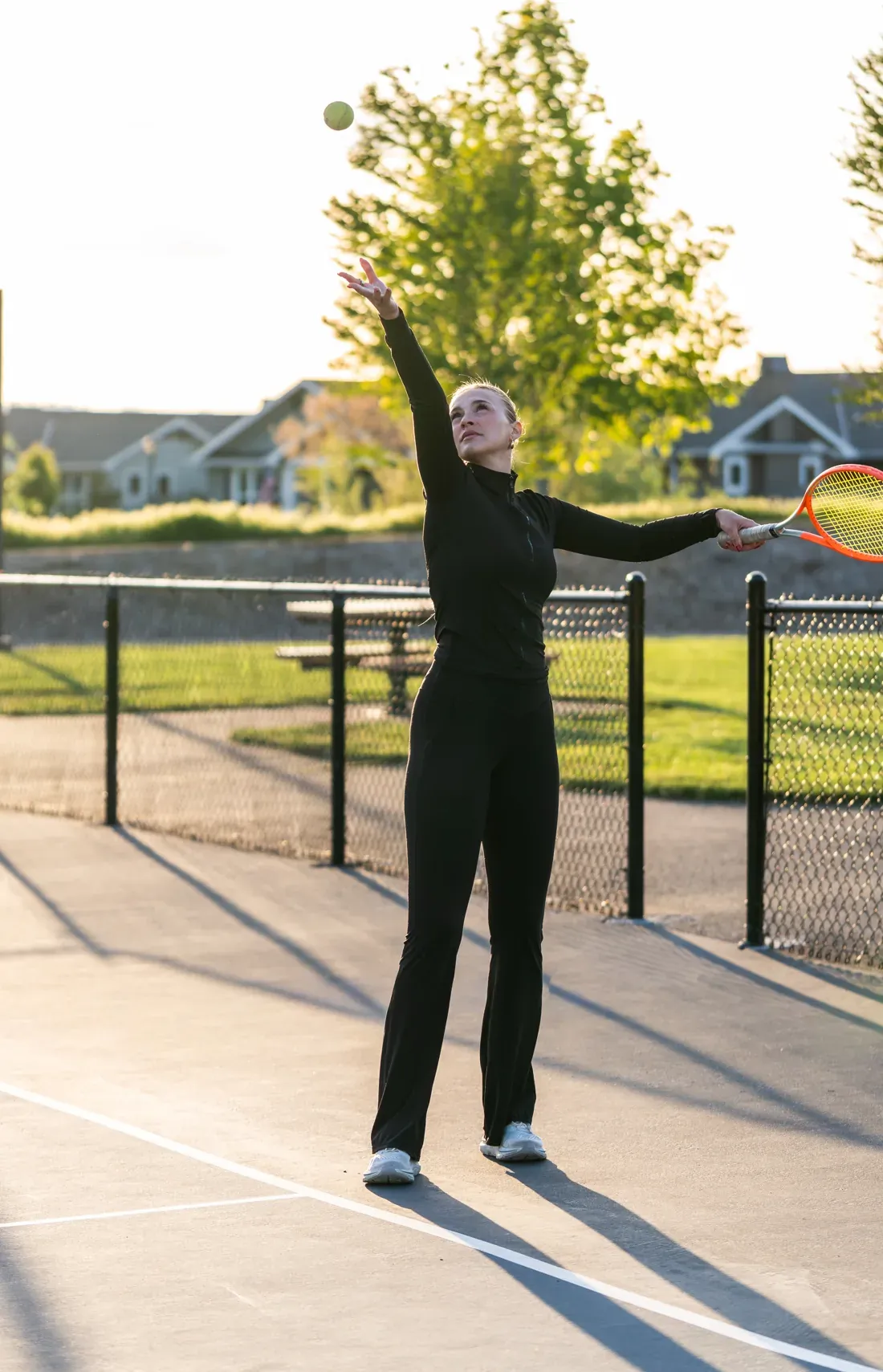
The shoulder should stay in the socket. Every time.
Surgery for first-time and recurrent dislocations, labral tears, and bone loss, from the first injury to the failed prior repair.
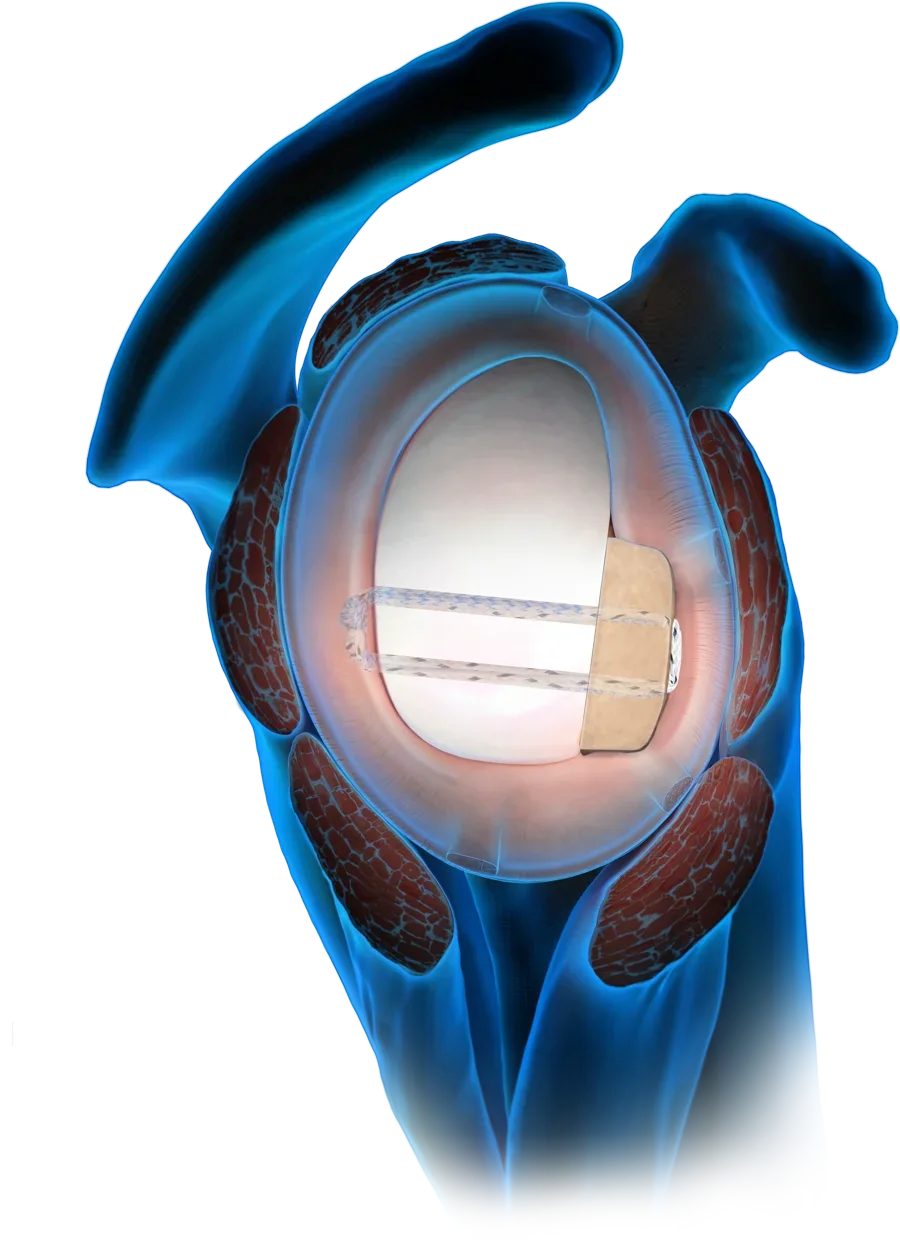
How instability usually shows up
- A dislocation, or several.
- A shoulder that feels loose or slips with certain movements.
- Apprehension when the arm goes overhead and back.
- An MRI showing a labral tear (often called a Bankart lesion) or bone loss on the socket or ball.
Or a prior stabilization surgery that did not hold.
Send Your MRI →The right operation depends on how much bone you have lost.
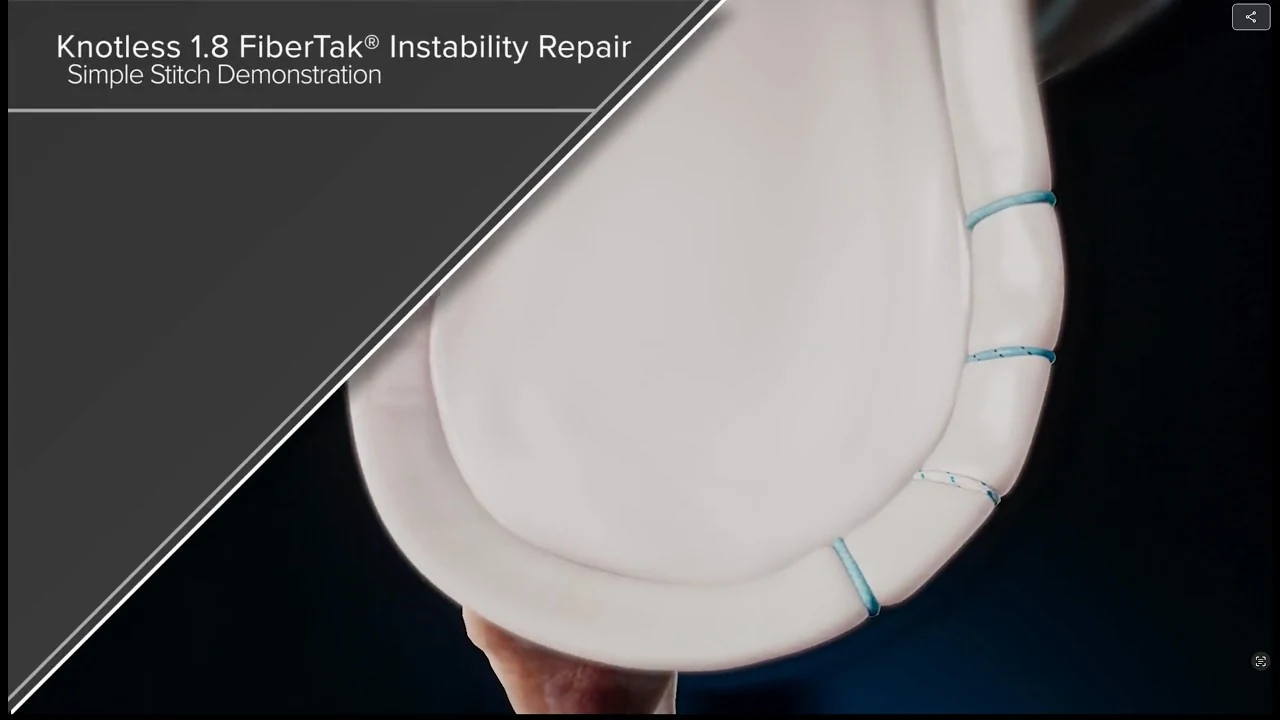
Instability is one problem with several solutions. When the labrum is torn and bone is intact, an arthroscopic repair reattaches the labrum to the socket. When bone has worn away from the socket or the ball, a soft-tissue repair alone is likely to fail, and a bone-block procedure that rebuilds the rim is the durable answer. The Latarjet procedure is the most common. Dr. Denard measures bone loss on CT before recommending either one, and he will show you the measurement.
Measured, not guessed
Bone loss quantified on CT before the plan is made.
Same-day surgery
Arthroscopic and most open procedures are outpatient.
Return to sport
A written, sport-specific progression with clear milestones.
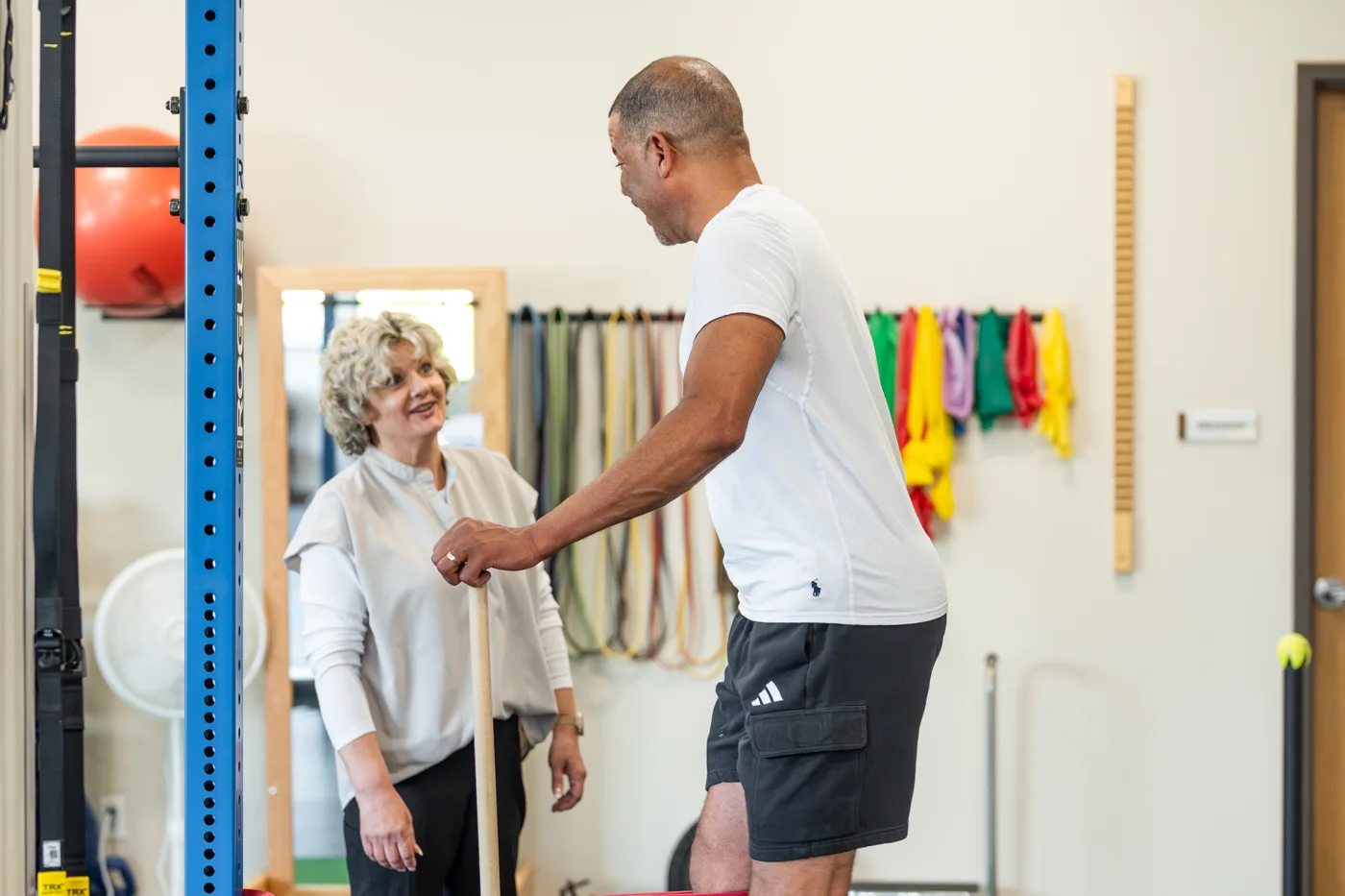
As with every procedure, the repair is one pillar. Nutrition loading and a phased rehabilitation protocol built around your sport protect it.
What healing looks like
Protect
Sling. Elbow and wrist motion.
Move
Progressive motion with limits on the positions that stress the repair.
Strengthen
Rotator cuff and scapular strength.
Return
Sport-specific progression. Contact and overhead athletes return on a defined schedule.
Evidence and FAQ
No Difference in External Rotation Loss After Isolated Bankart Repair, Remplissage, or Latarjet: A Systematic Review and Meta-analysis
The three main stabilization operations compared on the motion patients care about.
PubMed →Arthroscopy · 2024Results After Arthroscopic Bankart Repair in Contact Athletes Should Not Be Reported Globally
Why the sport you play changes which repair is right.
PubMed →Arthroscopy Techniques · 2021Capsulolabral Reconstruction During the Open Latarjet Procedure
How the bone-block procedure is combined with a soft-tissue repair.
PubMed →FAQ
Sometimes. Age, sport, and bone loss all affect the risk of recurrence. The MRI review is the place to answer it.
Usually. Failed repairs are often about unrecognized bone loss, which is why Dr. Denard measures it on CT.
Typically four to six months, depending on the sport and the procedure.
Send your MRI. Get a real answer.
Dr. Denard reviews every MRI himself and records a short video explaining what he sees and what he would recommend. If surgery is the right call, you will know why. If it is not, you will know that too.